Fire safety is one of those critical responsibilities that often goes unnoticed until something goes wrong. When fire alarm systems fail, sprinklers are under maintenance, or a building is temporarily at higher risk, a professional fire watch guard patrol becomes essential. This service is not just about having someone stand by with a flashlight. It is a structured, methodical, and highly regulated process designed to prevent fire incidents, protect lives, and safeguard property. Understanding what happens during a professional fire watch guard patrol helps property owners, facility managers, and contractors appreciate its value and importance.
Understanding the Purpose of a Fire Watch Guard Patrol
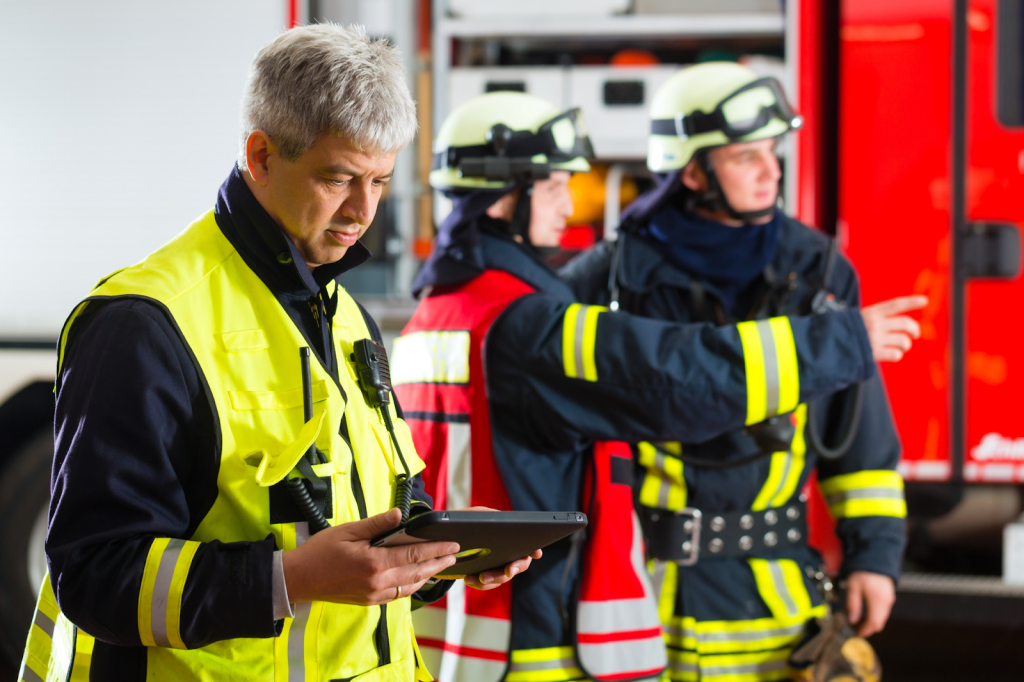
A professional fire watch guard patrol exists to provide continuous monitoring of a property when standard fire protection systems are impaired or when fire hazards are elevated. Local fire codes and regulations often require this service during system outages, hot work operations, or construction activities.
The primary goal is early detection. Fires rarely become catastrophic instantly. They usually start small, with smoke, heat, or sparks. A trained fire watch guard is specifically focused on spotting these early warning signs before they escalate. Unlike automated systems, a human patrol can assess unusual smells, sounds, or behaviors that technology might miss.
Another key purpose is compliance. Fire marshals and insurance providers frequently mandate fire watch services under specific conditions. Failure to comply can result in fines, project shutdowns, or denied insurance claims. A professional patrol ensures that all legal and safety obligations are met while maintaining operational continuity.
Pre-Patrol Planning and Risk Assessment
Before a patrol even begins, preparation takes place. A professional fire watch service conducts a thorough assessment of the site. This includes reviewing building layouts, identifying high-risk zones, and understanding the specific reason the fire watch is required. For example, a high-rise residential building with a disabled fire alarm presents very different risks compared to a warehouse conducting welding operations.
During this stage, guards become familiar with evacuation routes, fire extinguisher locations, standpipes, and emergency exits. Any obstructions or hazards are documented. The patrol plan outlines how frequently rounds will be made, which areas require constant observation, and what communication protocols will be used in case of an emergency.
This planning phase ensures that the patrol is not random or reactive. Instead, it is structured, intentional, and tailored to the specific risks of the property.
Continuous Monitoring of High-Risk Areas
Once the patrol is active, continuous monitoring becomes the core responsibility. fire watch guards conduct regular rounds, physically walking through designated areas rather than relying on cameras alone. These patrols are performed at scheduled intervals, often every 30 minutes or as required by local regulations.
High-risk areas receive special attention. These may include mechanical rooms, electrical panels, kitchens, storage areas with flammable materials, or zones where hot work is being performed. Guards look for smoke, sparks, overheating equipment, unusual odors, or any signs of unauthorized activity.
The presence of a visible, alert guard also acts as a deterrent. Employees and contractors tend to follow safety protocols more carefully when they know active monitoring is in place. This human element adds a layer of accountability that automated systems cannot replicate.
Fire Hazard Identification and Immediate Action
Identifying hazards is only part of the job. Taking immediate and appropriate action is what truly defines a professional patrol. When a potential fire hazard is detected, the guard follows established procedures without delay.
For minor issues, such as blocked exits or improperly stored materials, corrective action may be taken on the spot or reported to site management for immediate resolution. If smoke or flames are detected, the guard’s priority is life safety. Emergency services are contacted right away, and building occupants are alerted according to protocol.
Fire watch guards are trained to use fire extinguishers when it is safe to do so, but they are equally trained to know when not to attempt suppression. This judgment prevents injuries and ensures that professional firefighters can take over when necessary.
Accurate Documentation and Reporting
Documentation is a critical component of a professional fire watch guard patrol. Every round, observation, and incident is recorded in a detailed log. These logs typically include timestamps, areas inspected, conditions observed, and any actions taken.
This documentation serves multiple purposes. It provides proof of compliance with fire codes and insurance requirements. It also creates a clear record that can be reviewed by fire marshals, auditors, or property managers. In the event of an incident, these logs can be invaluable in demonstrating that proper precautions were taken.
Professional Fire Watch Guards understand that accurate reporting is just as important as physical presence. Incomplete or inconsistent records can undermine the effectiveness of the entire service.
Communication With Emergency Services and Site Personnel
Effective communication is essential during a fire watch patrol. Guards maintain constant readiness to contact emergency services if needed. They are trained to provide clear, concise information to dispatchers, including the nature of the emergency, exact location, and any immediate hazards.
In addition to external communication, coordination with on-site personnel is ongoing. Guards may brief staff at the beginning of a shift, update management about identified risks, or provide instructions during an evacuation. This collaboration ensures that everyone on the property understands their role in maintaining safety.
Clear communication reduces confusion during high-stress situations and can significantly improve response times when seconds matter.
Compliance With Local Fire Codes and Regulations
Fire watch requirements are governed by local and national fire codes. These regulations specify when a fire watch is required, how it should be conducted, and who is qualified to perform it. A professional patrol operates strictly within these guidelines.
Guards stay informed about jurisdiction-specific rules, including patrol frequency, documentation standards, and training requirements. This knowledge ensures that the service provided meets or exceeds regulatory expectations.
Compliance is not just about avoiding penalties. It is about aligning safety practices with proven standards designed to protect lives and property. A professional fire watch patrol provides confidence that these standards are being upheld consistently.
The Role of Training and Professional Expertise
A professional fire watch guard patrol is only as effective as the training behind it. Guards receive instruction in fire behavior, hazard recognition, emergency response, and communication protocols. Many are also trained in first aid and evacuation procedures.
This expertise allows guards to remain calm and decisive under pressure. Instead of reacting emotionally, trained professionals follow established procedures that prioritize safety and efficiency. This level of competence distinguishes professional services from informal or untrained alternatives.
Choosing qualified Fire Watch Guards ensures that the patrol is proactive rather than reactive, reducing the likelihood of incidents escalating into emergencies.
Conclusion
A professional fire watch guard patrol is a comprehensive safety service designed to bridge the gap when fire protection systems are compromised or risks are elevated. From pre-patrol planning and continuous monitoring to hazard response and meticulous documentation, every aspect of the patrol is structured around prevention and compliance. The presence of trained professionals not only reduces fire risk but also provides peace of mind for property owners, managers, and occupants. Understanding what happens during a fire watch patrol highlights its critical role in maintaining safety and protecting lives.
FAQs
What situations require a fire watch guard patrol?
Fire watch patrols are typically required when fire alarm systems, sprinklers, or other fire protection equipment are out of service, or when activities such as welding increase fire risk.
How often do fire watch guards patrol a property?
Patrol frequency depends on local regulations and risk level, but rounds are often conducted every 30 minutes or continuously in high-risk areas.
Are fire watch guards allowed to put out fires?
Guards may use fire extinguishers for small, manageable fires if it is safe to do so, but their primary responsibility is to alert emergency services and ensure evacuation.
Is documentation really necessary during a fire watch?
Yes, detailed logs are essential for compliance, accountability, and demonstrating that proper safety measures were in place.
How does a professional fire watch differ from regular security?
Professional fire watch services focus specifically on fire prevention, hazard identification, and compliance with fire codes, supported by specialized training and procedures.


:max_bytes(150000):strip_icc()/shutterstock_1099606676-1d90bcc24a1642fc8c7e069554f816a8.jpg)


 Informative Articles and News